
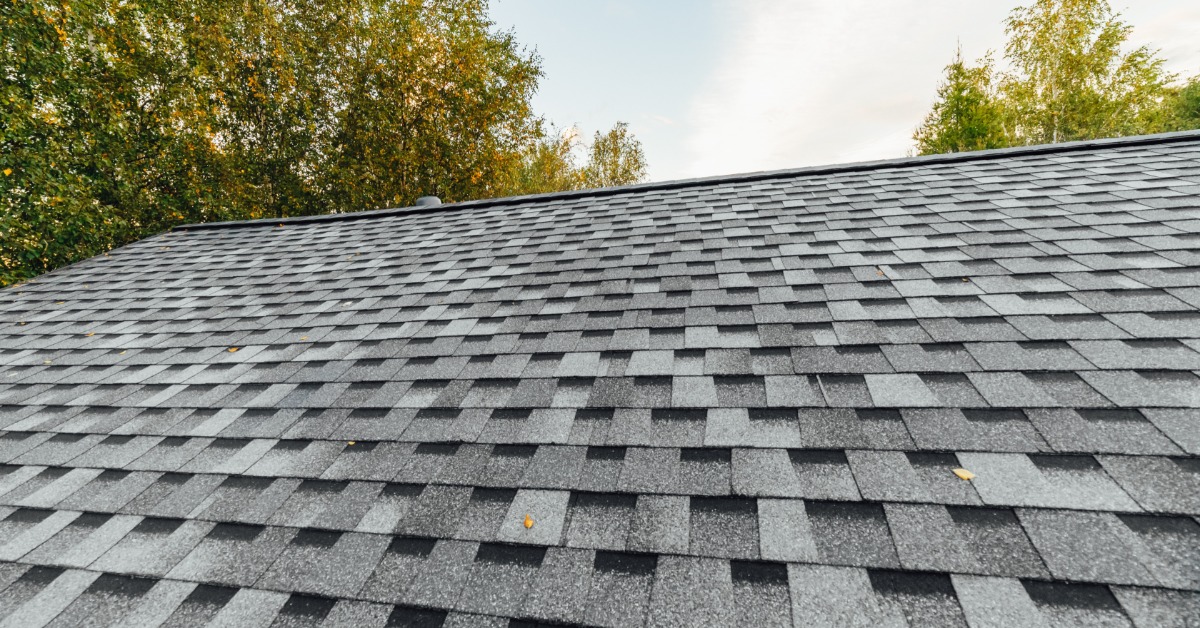
Asphalt and composite roofing shingles remain two popular options for homeowners who seek durability, aesthetic appeal, and dependable protection against weather exposure. Each material presents distinct characteristics that influence performance and overall lifespan, making careful comparison essential before any final roofing decision occurs.
Many homeowners often face uncertainty when evaluating roofing materials, especially when options appear similar at first glance yet differ significantly in composition and performance. A clear understanding of the differences between asphalt and composite roofing shingles will help property owners select roofing systems that align with structural needs and regional climate demands.
Material Composition and Structure
Asphalt shingles consist of a fiberglass base coated with asphalt and mineral granules, providing a layered structure that resists water infiltration effectively. Composite shingles use a blend of synthetic polymers, recycled materials, and additives that enhance strength and resistance against environmental stress factors. These material differences affect flexibility and durability, which directly influence installation processes and structural performance for residential roofing systems.
The composition of asphalt shingles offers reliable protection with a straightforward design that has served residential construction needs for decades across diverse regions. Composite shingles provide a more advanced structure that mimics natural materials such as slate or wood without the associated maintenance demands or weight concerns. This engineered approach allows composite options to deliver consistent quality and performance under a wider range of environmental conditions.
Durability and Lifespan Expectations
Asphalt shingles typically provide a lifespan that ranges between fifteen and thirty years, depending on quality and maintenance practices over time. Composite shingles often extend beyond this range, with many products designed to last several decades due to enhanced resistance against cracking and weather damage. This difference in expected lifespan can influence long-term investment value and reduce replacement frequency for homeowners who prioritize durability.
Environmental exposure plays a major role in roofing longevity, as factors such as sun intensity, temperature changes, and moisture levels affect material performance. Asphalt shingles may degrade faster under harsh conditions, leading to granule loss and surface wear that shortens functional lifespan over time. Composite shingles maintain structural integrity under similar conditions, offering increased resistance that supports extended performance and consistent protection for residential properties.
Aesthetic Appeal and Design Options
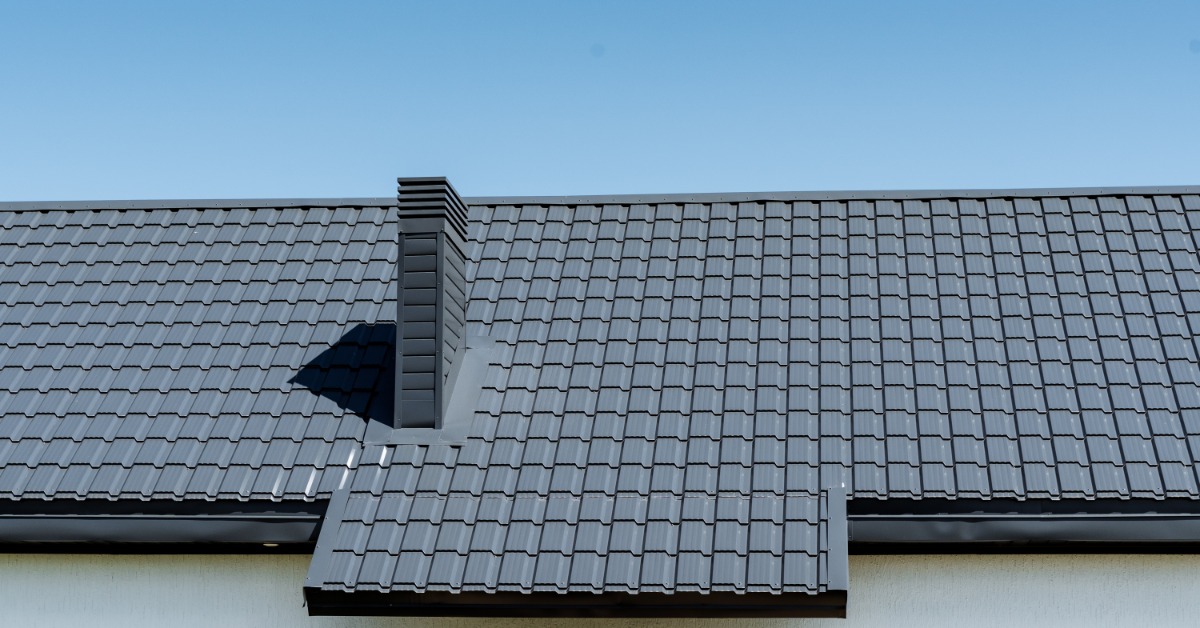
Asphalt shingles offer a wide range of colors and styles that allow homeowners to match roofing appearance with architectural preferences and neighborhood standards. Composite shingles expand these options further with designs that replicate high-end materials such as slate and tile with impressive visual accuracy. This variety enables homeowners to achieve sophisticated aesthetics without the structural limitations or maintenance concerns associated with natural materials.
Visual appeal plays a significant role in property value, as roofing contributes to overall curb appeal and first impressions for potential buyers or visitors. Asphalt shingles provide consistent color options that maintain a traditional look suitable for many residential designs across different regions. Composite shingles elevate design flexibility, allowing homeowners to create distinctive appearances that enhance architectural character and increase perceived property value.
Weather Resistance and Performance
Asphalt shingles provide dependable protection against common weather conditions, including moderate rain and temperature fluctuations that occur throughout the year. Composite shingles enhance this protection with improved resistance to extreme weather events such as high winds and intense sun exposure. These performance differences become especially important in regions where severe weather conditions place additional stress on roofing materials.
Wind resistance often determines how well a roofing system withstands storms, as uplift forces can damage or dislodge poorly secured materials during severe weather events. Asphalt shingles may require careful installation to ensure adequate resistance, particularly in areas prone to storms. Composite shingles often feature reinforced designs that improve wind resistance, providing added security and reducing the risk of damage during adverse conditions.
Maintenance Requirements Over Time
Proper care ensures that any roofing system performs well across many years, as routine attention helps prevent damage and extends service life. Each material demands a different level of care, which affects effort and overall cost for homeowners.
Asphalt Shingles
- Inspect surfaces for granule loss and replace damaged sections to maintain weather resistance and structural reliability.
- Check for cracks or loose shingles after storms and secure affected areas to prevent water intrusion and further deterioration.
- Clean debris such as leaves or dirt from roof surfaces to reduce moisture retention and limit potential damage over time.
Composite Shingles
- Perform occasional inspections to confirm structural integrity and identify any rare defects that may develop under extreme conditions.
- Remove debris from roof surfaces to preserve appearance and ensure proper water runoff during periods of heavy rain.
- Monitor seal integrity around edges and fixtures to maintain consistent protection against moisture and environmental exposure.
Installation Complexity and Process
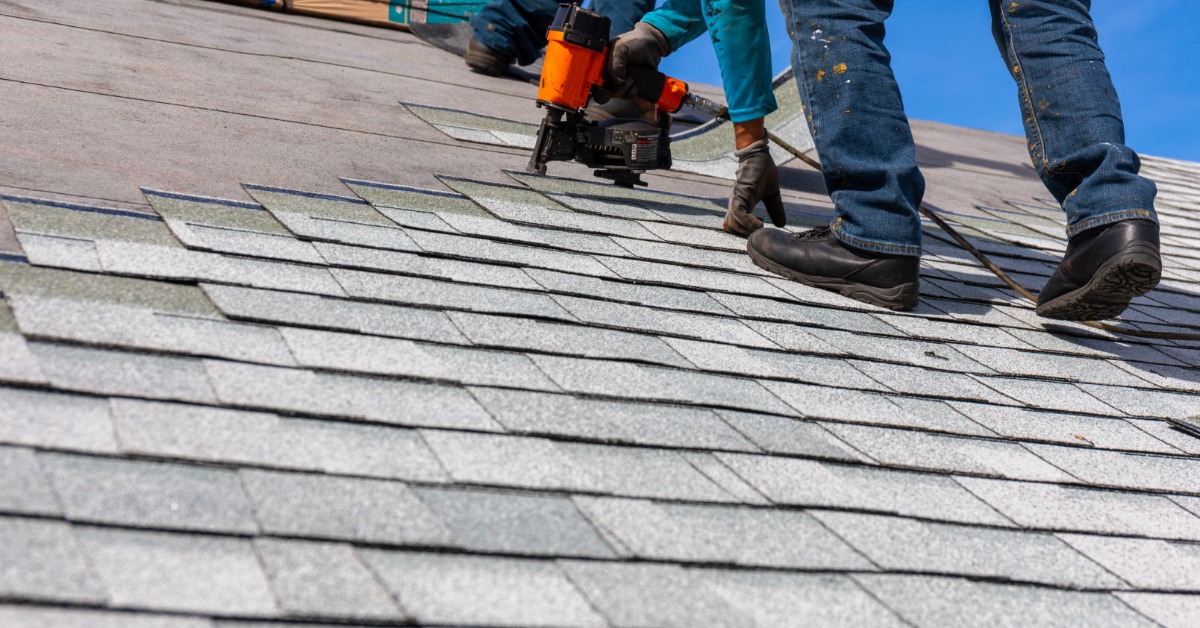
Asphalt shingles offer a straightforward installation process that many roofing professionals can complete efficiently due to widespread familiarity and standardized application techniques. Composite shingles may require specialized knowledge or additional care during installation to ensure proper performance and adherence to manufacturer specifications. These differences can influence project timelines and overall installation experience for homeowners.
Professional expertise achieves optimal results, as correct installation ensures durability and compliance with warranty requirements for roofing systems. With the help of a professional residential roofer, you can achieve precise installation that ensures optimal performance and lasting durability for your roofing system. This approach minimizes errors and supports consistent protection against environmental factors that affect roofing performance.
Weight and Structural Considerations
Asphalt shingles provide a relatively lightweight option that suits most residential structures without requiring additional reinforcement or structural modifications during installation. Composite shingles vary in weight depending on design and material composition, though many remain comparable to asphalt options in structural impact. This factor influences compatibility with existing roof structures and determines whether additional support measures become necessary during installation.
Structural compatibility ensures safe and effective performance, as roofing materials must align with load capacity and design specifications of the building. Asphalt shingles typically meet these requirements with minimal concern due to established standards in residential construction practices across many regions. Composite shingles offer flexibility in design and weight, allowing homeowners to select options that balance aesthetic goals with structural considerations effectively.
Warranty and Manufacturer Support
Asphalt shingles typically include warranties that reflect expected lifespan and performance under normal conditions, offering coverage for defects and certain forms of material failure. Composite shingles often provide extended warranties that align with longer lifespan and enhanced durability, offering greater assurance for homeowners over time. These warranty differences reflect confidence in product performance and influence investment considerations.
Manufacturer support plays a significant role in customer satisfaction, as responsive service and clear warranty terms contribute to positive ownership experiences. Asphalt shingles benefit from established industry presence and widespread availability of replacement materials and support services across many markets. Composite shingles offer comprehensive support programs that emphasize durability and customer confidence throughout the lifespan of the roofing system.
Choosing between asphalt and composite roofing shingles requires careful evaluation of durability, maintenance, and aesthetic goals that align with each homeowner’s priorities. Asphalt shingles provide reliable performance with lower upfront cost, making them suitable for many residential projects that prioritize affordability. Composite shingles offer advanced performance and enhanced design flexibility, which support value and improved resilience under challenging environmental conditions.