
Signs It’s Time To Replace Your Metal Roof
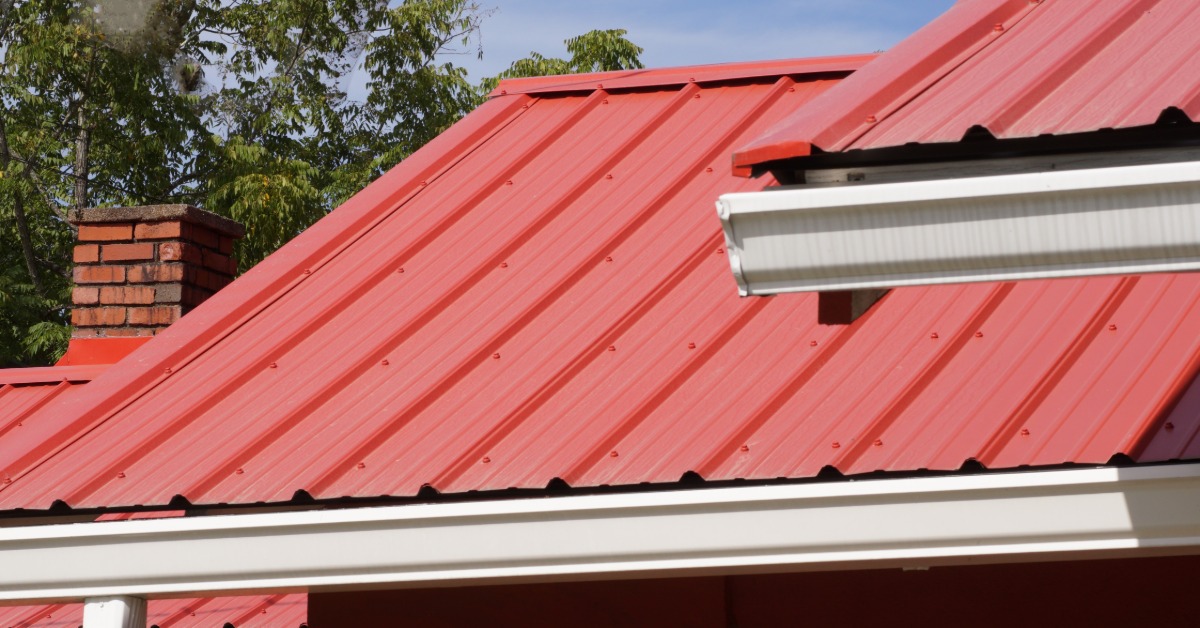
A metal roof can provide dependable protection for decades when the material remains secure and receives proper care. However, constant exposure to harsh conditions eventually affects even a durable roof. Small changes may appear harmless at first, but they can signal deeper deterioration beneath the surface.
Homeowners often choose metal because it offers impressive durability. That strength can make it easy to overlook subtle signs of decline until a noticeable problem develops. Paying attention to the signs it’s time to replace your metal roof can help you recognize when repair may no longer provide an effective answer.
Replacement does not become necessary after every defect appears. A professional assessment can determine whether the affected area remains suitable for repair or whether the entire system has reached its limit. Knowing what certain changes mean can make that decision much clearer.
Consider the Age of Your Metal Roof
Every metal roof has an expected service life. Actual performance depends heavily on the quality of the original installation and the conditions the roof has faced throughout its service. Once an older roof starts to lose reliability, its age deserves greater attention.
Age alone does not mean you must replace the roof immediately. However, an older system may have less capacity to recover from new damage without additional problems soon after repairs. Replacement can make more sense once the existing material no longer provides consistent protection.
Watch Corrosion as It Continues To Spread
A small rust spot may remain a local concern that a roofer can address without extensive work. The situation becomes more serious when corrosion starts to spread across a substantial portion of the roof. Metal can gradually lose strength once its protective surface no longer blocks moisture.
Deep corrosion can eventually leave panels too weak for a dependable repair. Treating the visible surface may offer little value if deterioration has already affected the material underneath. At that stage, replacement can provide a more complete response to the weakened roof.
Pay Attention to Leaks That Return
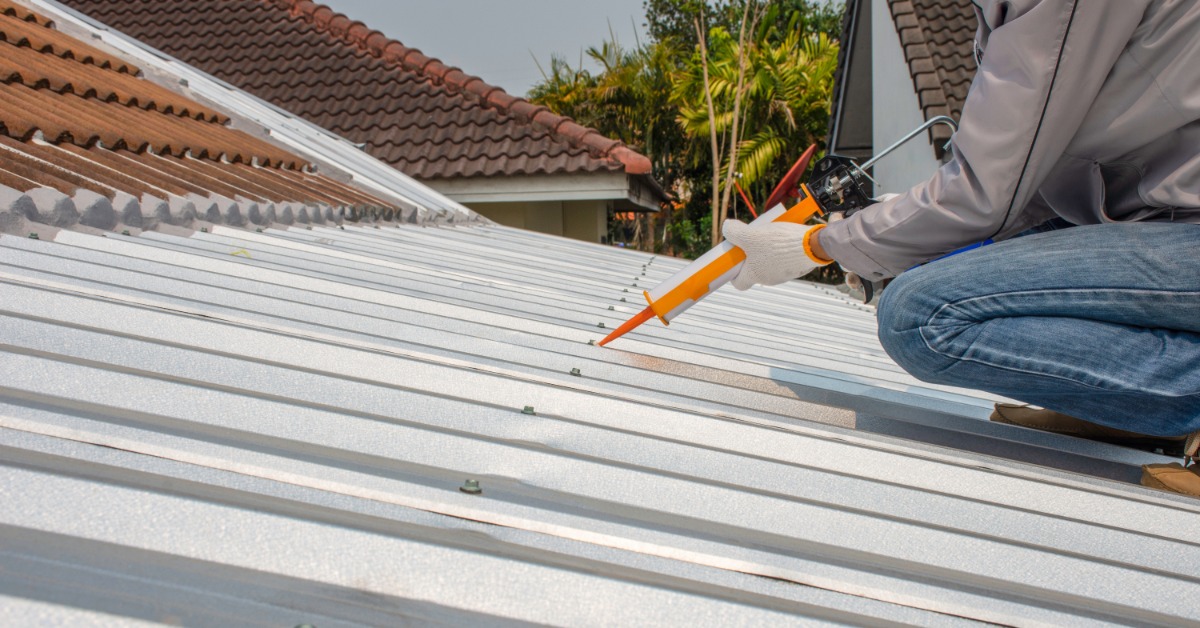
One roof leak may come from a minor defect that requires a straightforward repair. A leak that returns after professional service tells a different story. Persistent water entry can indicate that the roof no longer maintains a dependable barrier against moisture.
Water does not always enter the home directly beneath the damaged roof area. It can travel beneath the metal before reaching an interior surface and revealing the problem. Repeated leaks deserve a complete assessment rather than another quick repair at the visible stain.
Examine Panels That Lose Their Shape
Metal panels should retain a consistent form throughout their service life. A panel that starts to buckle can create openings along areas that once remained tightly connected. This change can leave the roof more vulnerable during periods of heavy rain.
Visible distortion may also suggest that the panel no longer sits securely against the roof structure. Minor damage in one location can sometimes allow a focused repair. Extensive deformation can make replacement a more reasonable choice when the roof cannot maintain its intended shape.
Notice When Fasteners Lose Their Hold
Fasteners help metal panels remain secure against the structure beneath them. Years of roof movement can gradually weaken that connection and allow certain attachment points to lose their firm hold. Water may then find a path beneath the panel through the affected area.
One loose fastener does not automatically indicate that the roof needs replacement. Concern increases when the same problem continues to appear across a substantial area despite previous service. An older attachment system may no longer provide the reliable support that the roof requires.
Look Closely at Separating Seams
Seams create secure connections between adjacent sections of a metal roof. Those connections can lose their tight fit after years of movement across the roof surface. Even a narrow opening may give rain enough space to move beneath the metal.
A local seam defect may respond well to professional repair when surrounding materials remain strong. Extensive separation can suggest that the roof no longer functions as one secure system. Replacement may provide a stronger answer once repairs cannot keep those connections consistently sealed.
Take Interior Water Marks Seriously
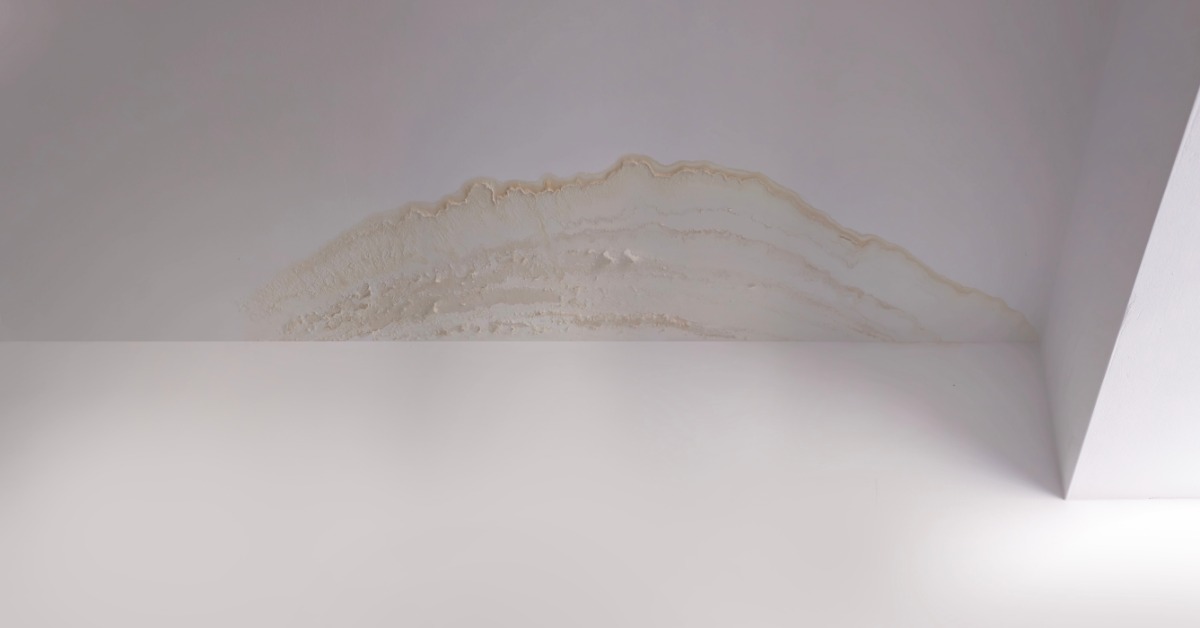
A ceiling stain can reveal a roof problem that remained hidden for a considerable period. Moisture may already have passed through several layers before it finally becomes visible inside the home. Ignoring the stain can give the underlying problem more time to advance.
With professional home roofing services, Berling Roofing Solutions can determine whether extensive roof deterioration requires complete replacement to restore dependable home protection. A professional assessment can trace the moisture to the area where water first enters. This approach provides a clearer picture of roof condition than a repair based only on the visible interior mark.
Check the Condition of the Protective Finish
The finish across a metal roof helps protect the material beneath it from constant exterior exposure. Over time, that surface can lose its original condition and leave the underlying metal more vulnerable. Widespread finish failure deserves attention because exposed material may deteriorate much faster.
Surface restoration can sometimes extend the useful life of a roof that remains structurally sound. Replacement becomes more appropriate when the metal beneath the finish has already suffered substantial deterioration. A roofer can assess the material itself before recommending the next step.
Assess the Roof After Severe Weather
A strong metal roof can withstand significant weather exposure, but major storms can still leave serious damage behind. An impact can compromise a panel even when the defect appears minor from the ground. Professional inspection can reveal whether the affected metal still provides reliable protection.
Storm damage deserves particular attention when the roof already has considerable age. Older material may have less ability to tolerate additional stress without further deterioration. Replacement can become appropriate when storm damage leaves the existing system unable to provide dependable coverage.
Consider How Often Repairs Become Necessary
An occasional repair is normal throughout the service life of many metal roofs. Concern grows when roof service becomes a regular expense, and the same general problem continues to return. Frequent repair needs can indicate that the material has reached a stage where isolated work provides diminishing value.
Another repair may temporarily address the immediate defect without changing the overall condition of the roof. Replacement can become more practical when homeowners no longer receive dependable results from professional repair work. Evaluating the complete roof can reveal whether continued service still represents a sensible investment.
A metal roof usually provides signs of decline before complete failure occurs. The important question is whether a problem remains isolated or reflects a bigger change in the roof’s overall condition. Paying attention to those changes can help homeowners respond before water causes greater damage inside the property.
Recognizing when your metal roof has reached the end of its useful service can protect the rest of your home from unnecessary damage. Berling Roofing Solutions can assess your roof and determine whether replacement provides the right response for its current condition. Professional roof work can restore confidence in the barrier that protects your home from exterior exposure.