
How Different Roofing Materials Affect Your Home’s Value
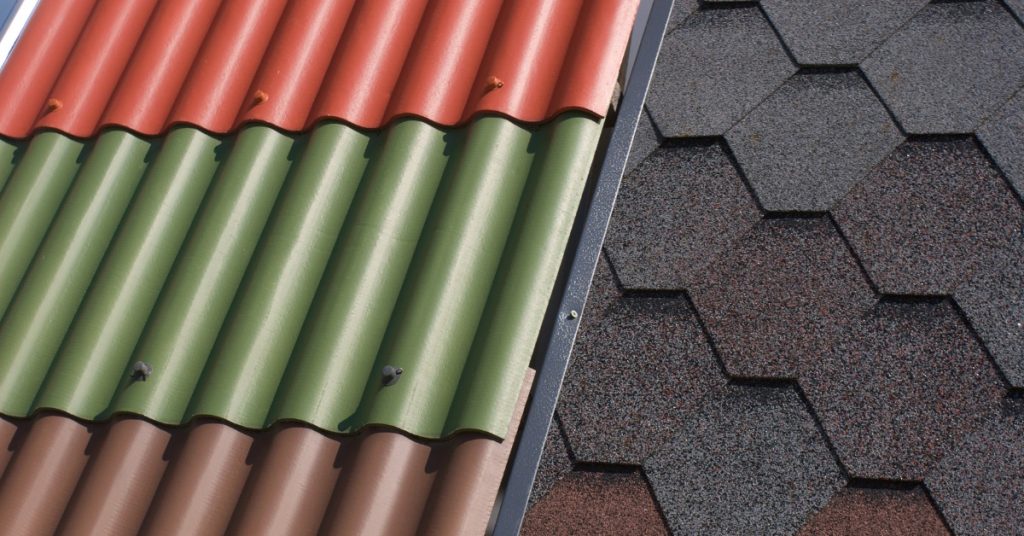
A roof has a powerful influence on the way people perceive a home. Before prospective buyers enter the property, they often notice whether the roof complements the exterior and appears well maintained. That first impression can shape expectations about the rest of the house.
Material choice can change how buyers perceive the investment required after purchase. Some roof materials feel familiar and accessible, whereas others create a more distinctive impression that can attract buyers with specific preferences. The best fit depends heavily on the individual property.
A thoughtful roof choice can affect your home’s value and make a home feel complete. The material should complement the architecture and make sense for the area. When the roof feels appropriate, buyers can focus on the property instead of questioning the decision behind its exterior design.
Asphalt Shingles Offer Familiar Market Appeal
Asphalt shingles appear on countless homes because their traditional appearance works naturally with many residential designs. Buyers generally recognize the material immediately and know what they can expect from it. This familiarity can reduce uncertainty during a property evaluation.
Condition often determines how much value the roof contributes. Clean shingles with consistent color can make the entire exterior feel fresh and cared for. Visible wear can create a very different impression and prompt questions about an eventual replacement.
Metal Roofs Can Give Homes More Presence
Metal can dramatically change the personality of a property. Clean roof lines can create a refined appearance that works especially well when the material complements the home’s architectural character. The result can make an otherwise simple exterior appear more distinctive.
Buyer response often depends on how naturally the material fits the property. A subtle finish can support the exterior without drawing excessive attention toward the roof. An unusual profile can have less universal appeal when it conflicts with nearby architecture.
Slate Can Create a Sense of Permanence
Natural slate has a character that manufactured materials often struggle to replicate. Each section can display subtle variation that gives the roof visual depth without making the exterior seem overly elaborate. Historic properties can benefit especially from this authentic appearance.
Slate can also change how buyers perceive the quality of the entire property. A roof in excellent condition may suggest that previous owners invested considerable care into the house. Poor maintenance can quickly undermine that impression because repairs often require specialized expertise.
Clay Tile Can Strengthen Architectural Identity
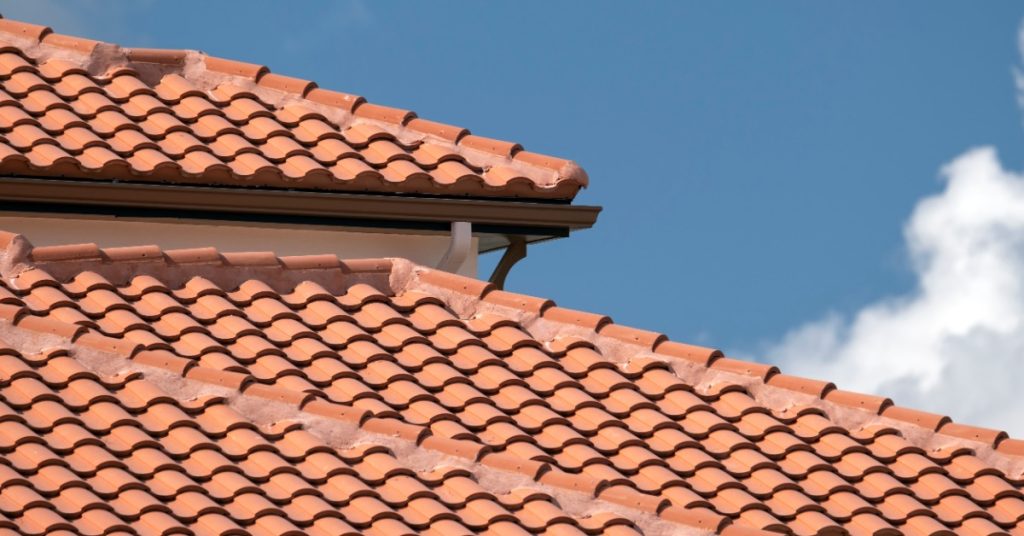
Clay tile works best when it feels connected to the original character of the home. Its distinctive form can complement properties with architectural traditions that naturally support this type of roof. Buyers may appreciate the result when every exterior element feels intentional.
The material can become less appealing when homeowners choose it based on appearance alone. Structural demands deserve careful consideration before any major roof change occurs. A suitable home allows clay tile to become part of its identity rather than an unnecessary addition.
Concrete Tile Can Offer Substantial Visual Depth
Concrete tile can give a roof a strong visual presence without making the property seem excessively ornate. Its defined surface creates texture that can add depth to otherwise simple exterior architecture. Careful material selection keeps that effect balanced.
The roof structure must also accommodate the additional weight. Buyers may become cautious if they have questions about whether the house received proper preparation before installation. Professional documentation can provide reassurance when the material represents a significant departure from the original roof.
Wood Shakes Can Give a Home Natural Character
Few roof materials create the same warmth as natural wood. The texture can soften a home’s exterior and complement architecture that already relies on traditional materials. This character may become an important part of the property’s overall appeal.
Buyer interest can vary significantly because wood demands careful attention throughout its service life. A roof in excellent condition can look distinctive and inviting. Visible deterioration can shift attention away from its beauty and toward the work a future owner may face.
Architectural Compatibility Shapes Perceived Value
A roof should appear connected to the home beneath it. Buyers can sense when a material supports the architecture, even when they know little about roof design. Poor compatibility can make an expensive renovation seem unnecessary rather than valuable.
Working with an experienced roofing contractor is the best solution to select a material that feels natural for the property. Professional insight can reveal whether a preferred option works with the existing structure. That perspective can protect homeowners from an expensive choice that fails to support resale appeal.
Local Conditions Can Change Material Performance
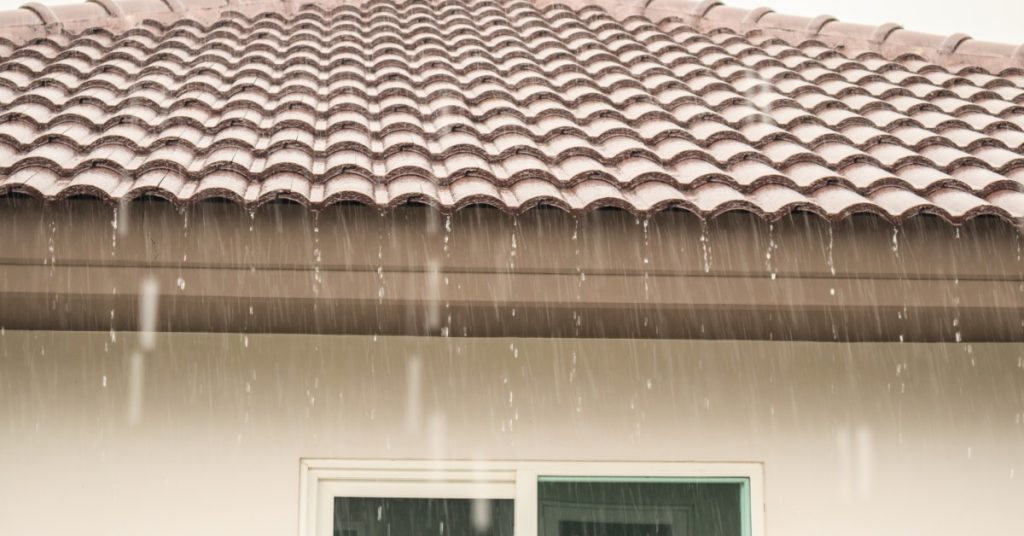
A roof that performs exceptionally well in one region may prove less suitable somewhere else. Local conditions place unique demands on residential materials throughout their service lives. Buyers often feel more comfortable when a roof has a proven record within their area.
Regional familiarity can also influence perceptions during a sale. Buyers may hesitate when a material seems unusual because future service could appear more complicated. A roof that feels appropriate for the area can remove that uncertainty before it becomes a larger concern.
Maintenance Can Change How Buyers See the Roof
A roof does not retain value through material quality alone. Consistent care helps preserve its appearance and gives future buyers greater confidence in the condition of the property. Several warning signs deserve professional attention before they develop into larger concerns:
- Missing or damaged roof sections that expose vulnerable areas
- Interior stains that suggest water has entered the structure
- Visible surface deterioration that continues to become more noticeable
- Loose roof components that no longer appear secure
- Areas that show unusual changes after severe weather
Addressing concerns early can keep minor defects from defining how buyers perceive the entire roof. A well-maintained surface tells a much stronger story during a future sale. Buyers can see evidence of care rather than imagine expensive work ahead.
Material Cost Does Not Define Property Value
A premium price does not automatically make one roof material better for every property. Homeowners can spend considerably more without receiving equal value if the material feels excessive for the house. Market expectations ultimately influence how buyers respond to that investment.
Quality workmanship can have a greater effect than an unnecessary material upgrade. A professionally installed roof can feel secure and appropriate even when the product itself remains relatively modest. Buyers often respond more positively to a coherent property than to isolated expensive features.
Your roofing material can affect your home’s value because it plays an important role in how people perceive your home and the care invested throughout the property. The right material can complement the architecture and create an exterior that feels cohesive rather than disconnected. Careful material selection also helps preserve confidence in your property when the time comes to sell.
Professional roof work can make the difference between a material that simply looks attractive and one that performs as expected. Berling Roofing Solutions can help assess your roof and provide professional service that supports the needs of your home. With expert attention, you can approach your next roof project with confidence and protect the value of your property.